





The Definitive Guide to Kettle Maintenance: How to Keep Your Kettle Clean and Remove Limescale

We've all been there. You pour yourself a morning cup of tea or coffee, glance into the kettle, and spot that familiar chalky white crust coating the bottom. Maybe you've noticed your water tasting a little off lately, or your kettle seems to be taking forever to boil. If any of this sounds familiar, you've come to the right place. We’ll guide you through cleaning and kettle maintenance, covering everything from why limescale forms in the first place to the best methods for removing it, plus practical upkeep tips you can build into your daily routine.
Why Clean Your Kettle?
The Impact of Limescale on Your Kettle
Limescale is a hard, chalky deposit made primarily of calcium carbonate. It forms inside your kettle when hard water, water that contains high levels of dissolved calcium and magnesium, is heated. As the water boils and evaporates, those water minerals don't disappear with the steam. Instead, the dissolved calcium bicarbonate reforms into solid calcium carbonate, which sticks to the interior surfaces of your kettle as scale buildup. According to British Water, approximately 60% of the UK has hard water. The highest mineral concentrations are found in London, the South East, and East Anglia, where the water is drawn from chalk and limestone aquifers, meaning limescale is more prevalent in these areas.
How Limescale Affects Kettle Performance and Efficiency
Limescale build-up isn't just an aesthetic problem; it harms your kettle's performance. When calcium deposits coat the heating element inside your kettle, they act as an insulating layer that prevents heat from transferring efficiently into the water. Limescale conducts thermal heat, which means your heating element has to work harder to heat the water to the boiling point. Even a thin layer of scale makes a measurable difference.
But does this really matter? Longer boiling times mean higher electricity bills and increased strain on your appliance. Over time, this mineral build-up takes a real toll on your kettle's lifespan, meaning replacing your kettle could come sooner than you’d hoped. In some cases, excessive scale may even cause kettles to switch off before boiling and damage the heating element. To conclude, regular kettle cleaning isn't just good housekeeping; it's essential for the long-term maintenance of your appliance and could potentially impact your pocket.
For a broader look at why regular kettle cleaning matters, take a look at our guide on the importance of keeping your kettle clean.
Recognising the Signs That Your Kettle Needs Cleaning
Not sure if your kettle is overdue for a clean? Beyond performance, limescale affects something you notice every single day, the taste of your water. Mineral deposits and residue that accumulate inside your kettle can give boiled water a flat, chalky, or even slightly metallic flavour. If your morning cup of tea or coffee hasn't been tasting quite right, your kettle's interior could be the culprit. Another clear sign of limescale build-up is visible white flakes floating in your freshly boiled water. Those flakes are fragments of limescale breaking off the interior walls of your kettle and landing in your cup. This is why regular kettle cleaning is so important for the perfect brew.
Here's a quick checklist of signs your kettle requires cleaning :
-
White or grey limescale deposits are visible on the kettle interior walls or around the spout
-
Flaky residue or stains appearing in freshly boiled water
-
Noticeably longer boiling times are a sign of scale coating the heating element
-
Unusual taste or odour in freshly boiled water
-
Discolouration or staining on the kettle exterior, particularly around the base or lid
If you're checking off more than one of those, it's time to take action. The good news is that all of these issues are completely fixable with the right cleaning approach.
How to Clean Your Kettle and Remove Limescale
Choosing the Right Cleaning Method for Your Kettle
The great news about kettle cleaning is that you probably already have everything you need in your kitchen. The four main household ingredients used for limescale removal are white vinegar, lemon juice, citric acid, and bicarbonate of soda, and each works in a slightly different way.
Vinegar, lemon juice, and citric acid are all acidic, which means they chemically dissolve calcium carbonate (the main component of limescale). Bicarbonate of soda, on the other hand, is a mild alkali that works as a gentle abrasive cleaning solution rather than a chemical dissolver. All four are food-safe and non-toxic, making them ideal cleaning methods for use inside a kettle. But which method should you choose? If you're dealing with heavy limescale deposits, go for citric acid or white vinegar. For lighter mineral build-up or routine maintenance, lemon juice and bicarbonate of soda will remove the early signs of limescale build-up.
|
Cleaning Method |
Cleaning Use-Case |
|
Citric acid |
Heavy deposits, fast results |
|
White vinegar |
Moderate to heavy build-up |
|
Lemon juice |
Light to moderate build-up |
|
Bicarbonate of soda |
Light residue and stains |
The White Vinegar Method
The vinegar method is probably the most well-known approach to limescale removal, and for good reason, it's effective, accessible, and easy to do. Here are the full descaling instructions:
-
Fill the kettle ¾ full with equal parts water and white vinegar (a 1:1 ratio is the recommended vinegar solution)
-
Boil the solution once
-
Allow it to cool and let the vinegar solution soak for 15-30 minutes, or up to an hour for very heavy build-up.
-
Pour out the solution and rinse the kettle thoroughly with fresh water
-
Fill with fresh water and boil once or twice, discarding the water each time, to eliminate any vinegar residue and aftertaste
The key to the vinegar method is that final rinse-and-reboil step. White vinegar has a strong odour, and if you don't rinse thoroughly, you may notice that smell carrying over into your next cup.
We recommend incorporating the vinegar method into your regular cleaning routine, roughly once a month if you're in a moderately hard water area, or more frequently if you live in a harder water region. It's one of the simplest and most cost-effective ways to stay on top of limescale build-up.
The Lemon Juice Method
Lemon juice works on limescale because it contains natural citric acid, which slowly breaks down and dissolves calcium deposits and mineral build-up in a similar way to white vinegar without the scent of vinegar.
Here's how to use the lemon method:
-
Add 2-3 tablespoons of lemon juice to the kettle
-
Fill the kettle halfway with water
-
Boil the solution
-
Let it sit and soak for 20-30 minutes
-
Gently scrub any remaining deposits with a soft sponge
-
Rinse thoroughly with clean water
Compared to the vinegar method, lemon juice leaves a noticeably less potent aftertaste. Vinegar may have a slight edge on very stubborn, heavy mineral build-up, but for regular maintenance, the lemon method is great for a quick clean. We recommend using it every 2-4 weeks for a consistently limescale-free kettle interior. If you'd prefer to use powdered citric acid instead of fresh lemons, use 1-2 tablespoons of citric acid powder per half kettle of water.
The Bicarbonate of Soda Method
Bicarbonate of soda takes a different approach to kettle cleaning. Rather than dissolving limescale chemically, it acts as a mild alkali and gentle abrasive that helps lift residue and stains from the interior walls. It's particularly well-suited for light deposits and surface discolouration rather than thick, crusty build-up.
Here's the cleaning process:
-
Add 1-2 teaspoons of bicarbonate of soda to the kettle
-
Fill the kettle halfway with water
-
Boil and let the solution sit for 20 minutes
-
Gently scrub the interior with a soft cloth or sponge
-
Rinse thoroughly
For more stubborn deposits, try combining bicarbonate of soda with vinegar for enhanced results. Add the bicarbonate of soda to the kettle first, then pour in the vinegar; the fizzing reaction helps to loosen and lift build-up that either ingredient might struggle to tackle alone. This combination is particularly useful when you're dealing with residue that's been left to accumulate for a while.
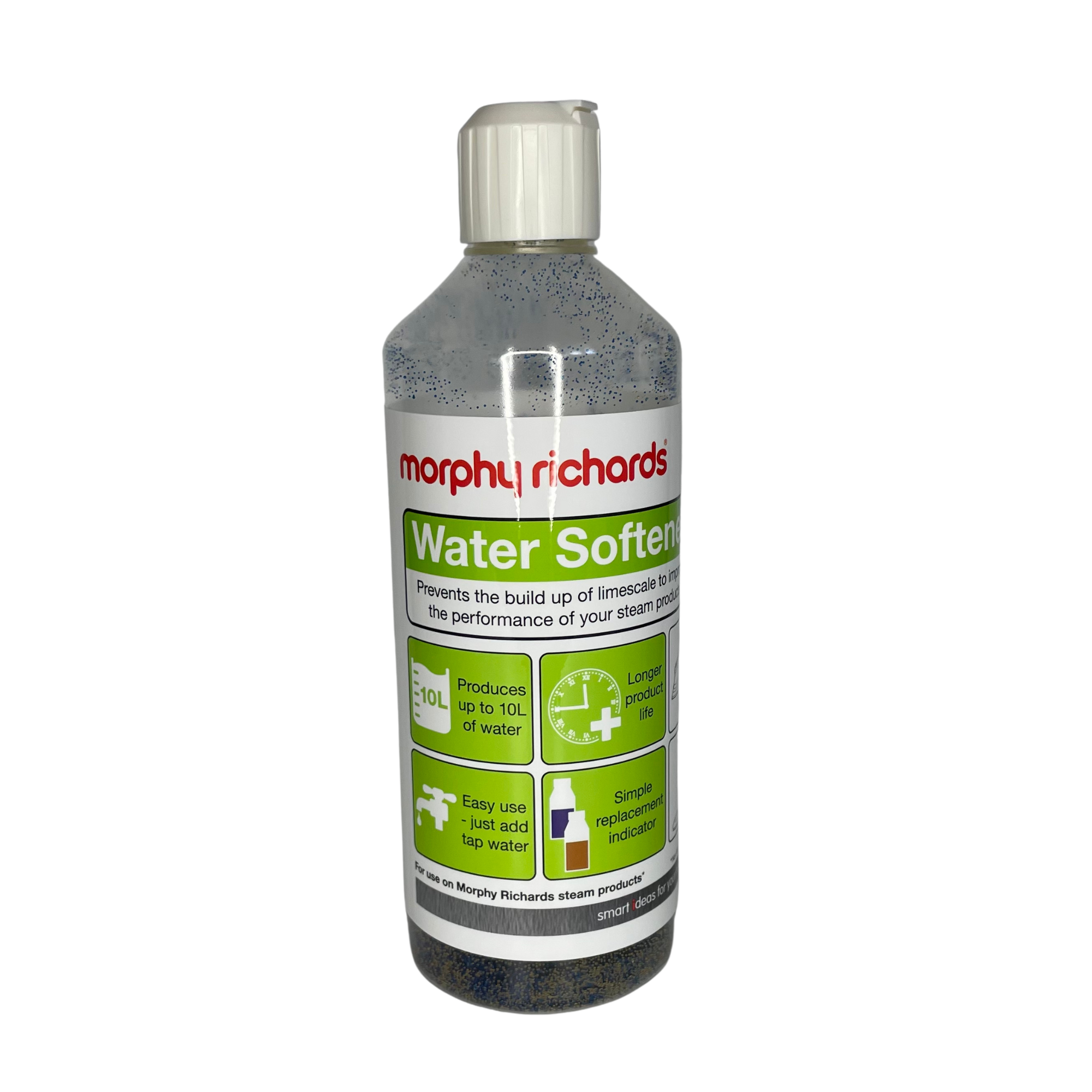
Using a Dedicated Kettle Descaler or Descaling Product
Sometimes, household ingredients just aren't enough, particularly if you're dealing with very heavy limescale or if natural cleaning methods haven't fully done the job. That's where a dedicated kettle descaler comes in.
Purpose-made descaling products are formulated specifically to target mineral deposits in kitchen appliances without damaging internal components, coatings, or heating elements. They come in powder, liquid, and tablet forms, and they're generally faster-acting than home remedies.
Step-by-Step Kettle Cleaning Process
Cleaning the Kettle Interior
Regardless of which cleaning solution you choose, the core cleaning process follows the same basic steps. Here's how to approach it safely and thoroughly:
Step 1: Prepare your kettle. Unplug the kettle completely and allow it to cool before you begin. Empty any remaining water and give it a quick rinse.
Step 2: Add your cleaning solution. Pour in your chosen solution, a vinegar solution, lemon juice, citric acid mixture, or a commercial descaling product, following the quantities we've outlined above.
Step 3: Boil and soak. Boil the solution (unless you're using citric acid powder, which works best without heating), then leave it to soak and work on the limescale deposits. Allow 20-60 minutes, depending on how severe the mineral deposits are.
Step 4: Scrub gently. Use a soft sponge or cloth to gently scrub away any remaining residue and loosened limescale from the kettle interior. This is important: never use abrasive scrubbers or steel wool, as these can scratch the interior and create surfaces where scale clings even more readily.
Step 5: Rinse thoroughly. Empty the cleaning solution and rinse the kettle 2-3 times with fresh water. Then fill with clean water, boil once, and discard. This ensures there is absolutely no cleaning solution residue remaining before you use it again.
If you’re struggling with tough limescale, explore our step-by-step guide on how to descale a kettle. It covers everything from advanced techniques to product-specific descaling advice and is a great companion to the cleaning methods we've outlined here.
Cleaning the Kettle Exterior
The kettle exterior deserves attention, too. Water stains, fingerprints, and general grime can build up quickly, especially on darker finishes. For most surfaces, a damp cloth with a small amount of mild washing-up liquid is all you need. That said, different materials call for slightly different approaches:
-
Stainless steel. Use a microfibre cloth and wipe in the direction of the grain to avoid scratching. A white vinegar solution works well for removing water spots.
-
Glass. Use a soft cloth with a diluted vinegar solution for streak-free results.
-
Plastic. Mild soap and warm water.
Whatever the material, avoid abrasive sponges, steel wool, or harsh chemical sprays. These can scratch or damage the surface finish. Don't forget to wipe down the spout, lid, and base as part of your cleaning routine; these areas tend to collect stains and residue that are easy to overlook.
Cleaning and Maintaining the Kettle Filter
The filter inside your kettle plays an important role in catching limescale deposits and mineral build-up before they end up in your cup. Keeping it clean is a key part of overall kettle maintenance. For removable filters, take it out, soak it in a vinegar or citric acid solution for 10-15 minutes, rinse it thoroughly, and refit it carefully.
For non-removable filters, use the descaling method described above, making sure the solution makes contact with the filter area during the soak. Morphy Richards recommends placing the lid in a small bowl of descaling solution for around 5 minutes as part of the process.
We recommend cleaning the filter every 1-2 weeks as part of regular kettle maintenance. Signs that a filter may need replacing rather than just cleaning include persistent discolouration, visible warping, or noticeably reduced water flow even after a thorough clean.
Building a Regular Kettle Maintenance and Cleaning Routine
How Often Should You Descale Your Kettle?
How frequently you need to descale depends almost entirely on your local water hardness:
|
Water Hardness |
PPM Level |
Recommended Descaling Frequency |
|
Soft water |
Under 60 PPM |
Every 2-3 months |
|
Moderately hard |
61-120 PPM |
Monthly |
|
Hard water |
121-180 PPM |
Every 2-3 weeks |
|
Very hard water |
180+ PPM |
Weekly to biweekly |
Daily and Weekly Upkeep Tips to Prevent Limescale Build-up
Some of the most effective strategies for keeping your kettle clean are also the simplest. These upkeep tips take seconds to implement but can dramatically reduce how often you need to do a full descale:
-
Empty the kettle after each use. Leaving water standing inside is one of the biggest contributors to accelerated scale buildup and mineral deposit accumulation.
-
Only boil what you need. Overfilling the kettle means more water sitting in contact with the heating element, which means more limescale build-up over time. Fill to the amount you actually need.
-
Give it a quick daily rinse. A simple rinse with fresh water between uses helps keep the kettle interior fresh and clear of residue.
-
Ensure your kettle is utilising the latest technology in kettle maintenance. Morphy Richards kettles are designed with these considerations in mind, incorporating features that support easier limescale removal and more manageable long-term maintenance. Explore our guide to the best kettles for hard water.
Keeping your kettle clean doesn't have to be complicated. With the right cleaning methods, a consistent maintenance routine, and a few simple daily habits, you can prevent limescale build-up from ever becoming a serious problem. Whether you prefer the vinegar method, the lemon method, a bicarbonate of soda scrub, or a dedicated kettle descaler, the most important thing is that you're doing it regularly.

